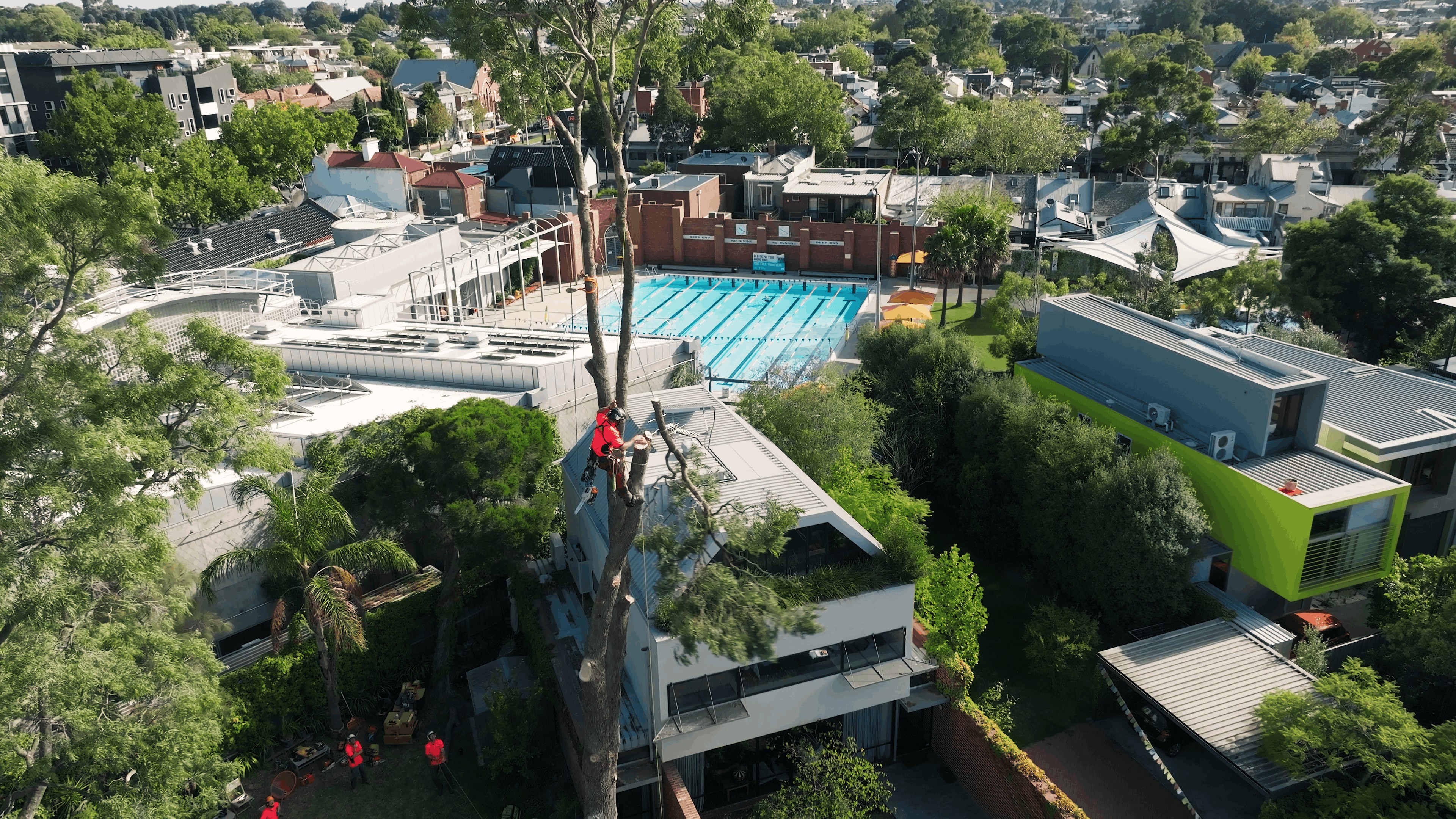
Native vs Non-Native Trees in Melbourne's East: What's Actually in Your Backyard
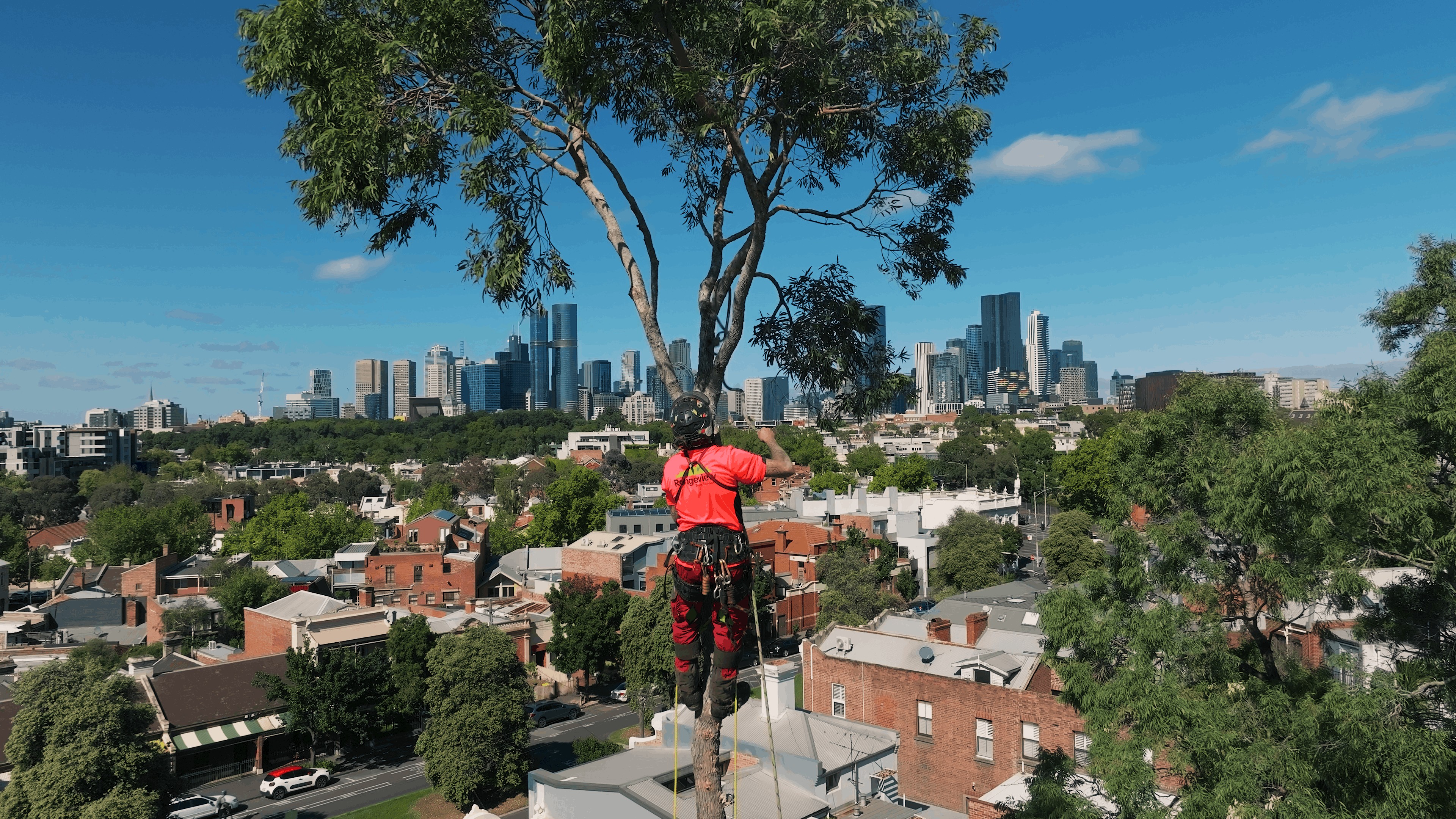
Most homeowners can tell you whether their tree is big or small, healthy or struggling — but far fewer can tell you whether it's actually native to the area. That distinction matters more than you'd think, especially once council permits enter the picture. Here's a plain-English guide to what's genuinely local versus what arrived with the suburbs.
The natives: what was here first
Long before the eastern suburbs were subdivided, this part of Melbourne was covered in distinct woodland types depending on the soil. On the shallower, drier slopes running from Doncaster through to Warrandyte and up towards Panton Hill, the dominant trees were red box and red stringybark — both eucalypts with the classic fibrous, peeling bark most Australians picture when they hear "gum tree." On the richer soils further out, from around Croydon through to Lilydale, yellow box and candlebark eucalypts took over instead, while areas closer to the Yarra River — including Templestowe — historically shifted between river red gum and manna gum depending on how close they sat to the water.
Wattles (Acacia species) filled the understorey across most of this landscape, historically known by names like blackwood and lightwood. And the trees early settlers often mistook for oaks were usually nothing of the sort — they were drooping she-oaks, a native conifer-like species with fine needle-like foliage, entirely unrelated to European oaks despite the name.
Today, eucalypts, wattles, paperbarks, and bottlebrush together still make up a significant share of the trees planted across greater Melbourne, prized for how quickly they establish and how well they support local birds and insects.
The introduced species: what came with development
Walk down almost any established street in the eastern suburbs and you'll also find plenty of trees that have nothing to do with the original landscape. English and pin oaks, various ash species, and elms were planted extensively through the 20th century and now form some of Melbourne's most recognisable tree-lined avenues — helped by the fact that local elms have largely escaped the Dutch elm disease that's devastated elm populations overseas. Liquidambars and ornamental flowering pears are similarly common as feature and street trees, prized for their autumn colour rather than any local ecological role.
Why the difference actually matters
This isn't just a botany lesson — it has real consequences if you're planning any tree work. Native vegetation is frequently protected under overlays like a Vegetation Protection Overlay or Environmental Significance Overlay, on top of any general canopy tree rules, simply because of the habitat and biodiversity value it provides. An introduced ornamental pear on the same block might not carry the same layer of protection, even if it's a similar size. In other words: knowing what you're looking at is often the first step in knowing whether you need a permit at all.
If you're unsure what's actually growing in your yard — or whether it needs council approval before you touch it — our arborists can identify the species and talk you through what, if anything, a removal or prune would require. Read our companion guide on tree removal permits by council for the full breakdown.
Not sure if your tree is native, protected, or just needs a trim? Get in touch with Rangeview Tree Services for a free on-site assessment.